How to visit a sumo stable
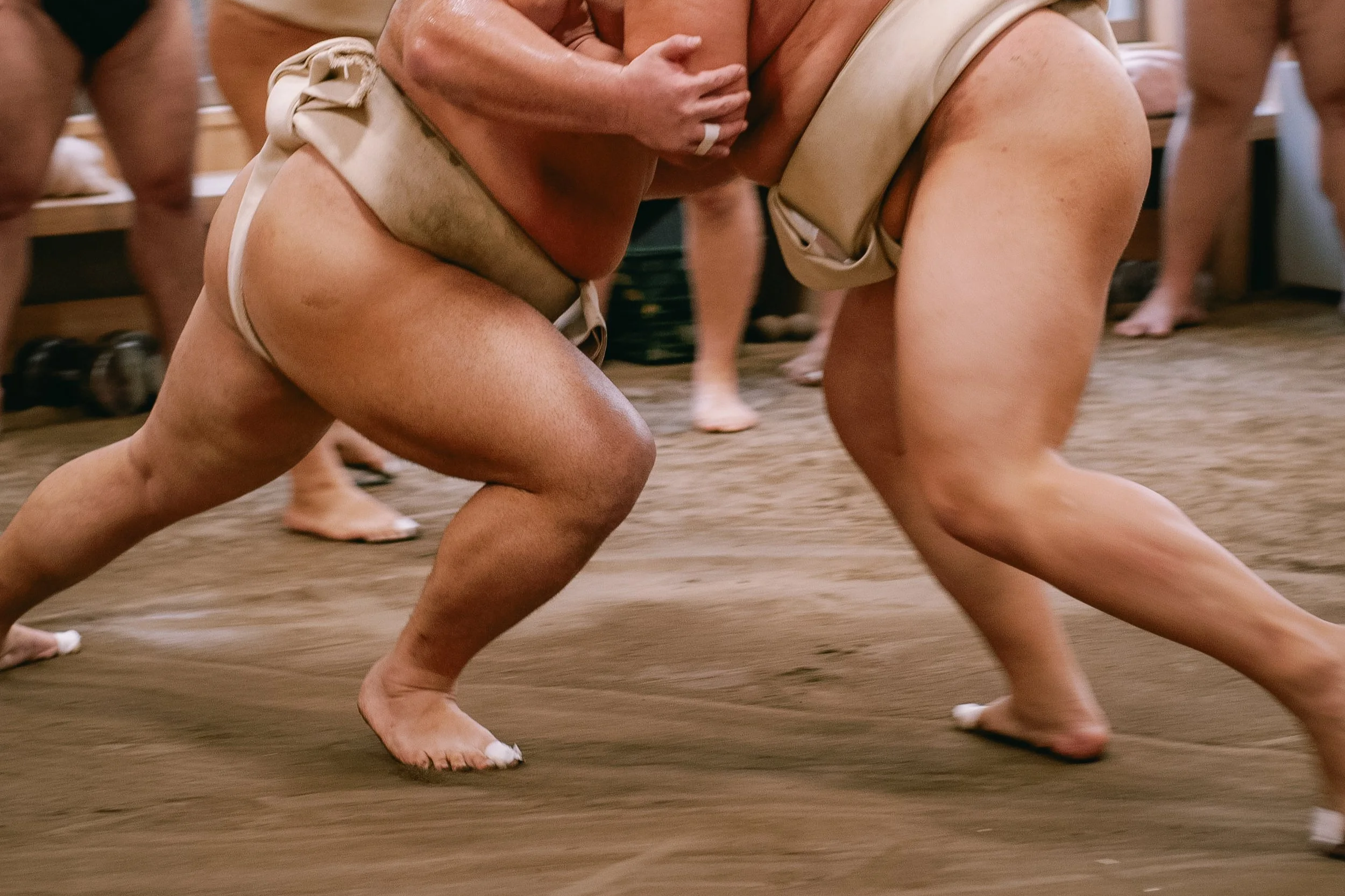
For many people visiting Japan, seeing asageiko, a sumo stable’s morning training, is high on the list. Watching a tournament from the stands is one thing, but being right there in the room, hearing the impact and feeling the intensity up close, is something else entirely.
Traditionally, these sessions were only open to official supporters of a stable, but in recent years more oyakata (stablemasters) have started allowing limited visitor access. It’s a rare chance to glimpse the daily discipline and routine that sumo wrestlers live by.
How to find a stable
If you’d like to experience training up close, you can book a stable visit through various tour companies online. These tours aren’t free, and prices vary depending on the organiser and the stable.
In many cases, you won’t be able to choose which heya you visit—it’s usually assigned on the day. That said, many tours work with well-regarded stables, so you’re likely to have a great experience no matter which stable you visit.
Some tours also offer the option to eat chanko nabe with the wrestlers after training, which is a pretty special add-on if it’s available.
What to expect
It can feel a little intimidating stepping into a sumo stable for the first time, but as long as you’re respectful and follow a few simple guidelines, it’s a really rewarding experience.
Do:
Be prepared to sit on the floor for quite a while, sometimes up to two hours or more. Some stables may have chairs for older folks, injured guests, or special koenkai fanclub members, but it’s best not to rely on that. If you’re unsure, check in advance with the company you’re booking with.
Try to use the bathroom beforehand. Leaving mid-session isn’t really encouraged unless it’s necessary—if something comes up, quietly ask your guide.
Take your shoes off at the entrance. You’ll usually leave them in the genkan (the raised entryway area).
Wear clean socks. If you’re in tights or bare feet, it’s a good idea to bring a pair with you.
Sit in a way that’s comfortable for you. You’re not expected to sit in traditional seiza on your knees—Japanese people know that it is difficult for most foreigners, so cross-legged is completely fine. Just avoid pointing the soles of your feet towards the ring or sitting with your legs stretched straight out.
Put your phone on silent before entering.
Check the rules around photos with your guide. Photos are often allowed, but video might not be. Sometimes, rikishi can be injured, and photos or videos of them in rehabilitation or revealing injuries to the public can be unwanted. Please use discretion.
Be aware that training routines and session times vary. During tournaments, sessions are often shorter and lighter, like a light warm-up, and some stables won’t accept visitors at all.
Don’t:
Don’t talk during training or answer your phone.
Don’t sit and scroll endlessly on your phone. It comes across as disrespectful.
Don’t point your feet towards the wrestlers.
Don’t step onto the dohyo; stay in the designated viewing area. This is true for all spectators including men, women, and children. The only time this does not apply is if you choose a stable that has a specific practice option (outside of the staged dinner shows; this is quite rare).
Don’t use flash photography.
Don’t bring food or drink. Do not eat or drink during training.
Don’t wear hats and sunglasses indoors, as it may be considered rude.
Don’t linger after practice unless you’ve been told it’s okay. Follow your guide. For self-guided tours, please excuse yourselves and leave when practice ends.
There’s no strict dress code, but it’s best to dress modestly—avoid very revealing outfits, including tops with low-cut cleavage (for both sexes) as well as skirts that you’d find too short to sit on the floor in.
And finally, don’t be disappointed if you don’t get to see your favourite wrestler in action, or afterwards if there is a chance for a photo op. They have busy schedules, unexpected injuries, and other responsibilities, and it’s important to respect their time.
Want to book with us?
Sumo Everyday focuses specifically on stable visits. While you can’t choose the exact heya, we partner with reputable stables and offer a consistently high-quality experience.
For an additional fee, you can sometimes join the wrestlers for chanko nabe after practice (though this isn’t available during tournaments).
See our tours page to see our current pricing and availability.